

Remote work is often sold as freedom. In practice it can quietly become a cage of permanent availability, unclear boundaries, and technical interruptions that follow you from room to room. This post focuses on a practical way to reclaim some of that freedom without quitting the job or buying new systems.
I am Dan Whitaker. I live in Raleigh with my family and work as an IT & Security Operations lead at a remote-first company. The advice here comes from fixing real friction in real households and distributed teams.
The Core Friction
Here is the part that usually causes trouble: the flexibility that was supposed to help starts to expand until every hour feels potentially on-call. Technology that was supposed to help starts to demand constant attention. The result is a workday that never fully ends and a home that never fully feels off-duty.
Practical Moves That Help
Define the actual working window and protect the edges.
Give every tool a clear job and turn off the rest of its noise.
Create a visible end-of-day signal that the household can see.
Test the technical foundation so outages do not become emergencies.
Review the system every few weeks and remove what is no longer earning its place.
What Actually Changes
People who make these moves usually report fewer low-level interruptions and clearer evenings. The work is still there. The difference is that it has a container. The container is what turns flexibility back into something that feels like a benefit instead of a trap.
Quick Reference
Problem | Default Response | Better Response |
|---|---|---|
Always-on expectation | Answer everything | Define urgent vs waitable |
Tool noise | Live with defaults | Aggressive notification limits |
Blurry end of day | “I’ll stop soon” | Visible shutdown routine |
Connection fear | Hope it holds | Tested backup plan |
Closing
Made simple. Flexibility is only useful if it has edges. Draw the edges on purpose. Less hassle. More life.
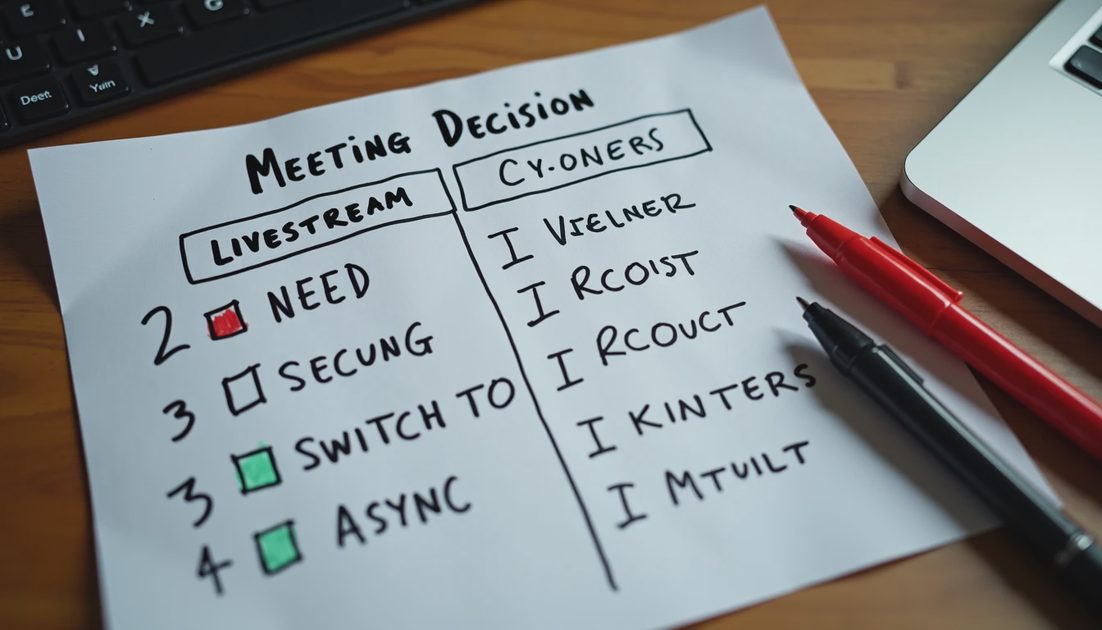
A useful meeting across three time zones starts with a clear reason for being live. If the only goal is status, the meeting should probably be a written update instead. When a live conversation is truly required, the agenda stays short, the time-zone load is rotated, and the outcome is written down before everyone leaves.
I have watched teams protect the same people’s evenings for months without noticing. Once the early and late slots are labeled and tracked, rotation becomes obvious and fair. The meeting itself becomes shorter because the preparation is better.
Made simple. Live only when necessary, label the load, and leave with a written outcome. Less hassle. More life.
A useful meeting across three time zones starts with a clear reason for being live. If the only goal is status, the meeting should probably be a written update instead. When a live conversation is truly required, the agenda stays short, the time-zone load is rotated, and the outcome is written down before everyone leaves.
I have watched teams protect the same people’s evenings for months without noticing. Once the early and late slots are labeled and tracked, rotation becomes obvious and fair. The meeting itself becomes shorter because the preparation is better.
The practical test is whether people leave the call knowing what was decided and what happens next. If they do not, the meeting needed a tighter agenda or a written summary, not more time. Most cross-zone meetings improve more from better preparation than from better video software.
Made simple. Live only when necessary, label the load, and leave with a written outcome. Less hassle. More life.
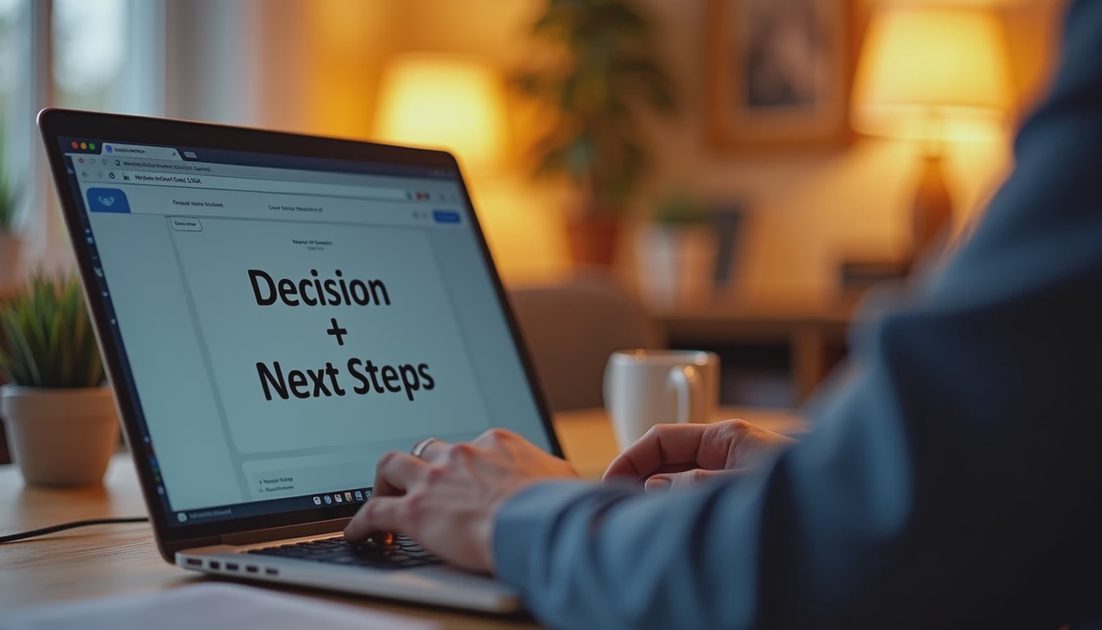
I also ask for a written outcome in the last two minutes of every cross-zone meeting. The person who called the meeting types the decision and the next step into the shared note while everyone is still present. That habit alone has eliminated more follow-up confusion than any agenda template I have used.
Teams that adopt these habits usually notice that the remaining live meetings feel more purposeful. People arrive knowing why the call exists and leave knowing what changed. The calendar gets lighter and the work gets clearer.
Made simple. Protect the calendar by making every live meeting earn its place across the zones it touches.
I also rotate the early and late slots deliberately rather than letting them fall on the same people by default. Once the load is visible on the calendar, fairness becomes a design choice instead of a favor someone has to request. That visibility is the real product of clear labeling and written outcomes.
That is the standard I use: fewer meetings, clearer outcomes, and a fairer distribution of the inconvenience that remains.
The meeting earns its place or it loses its slot.