
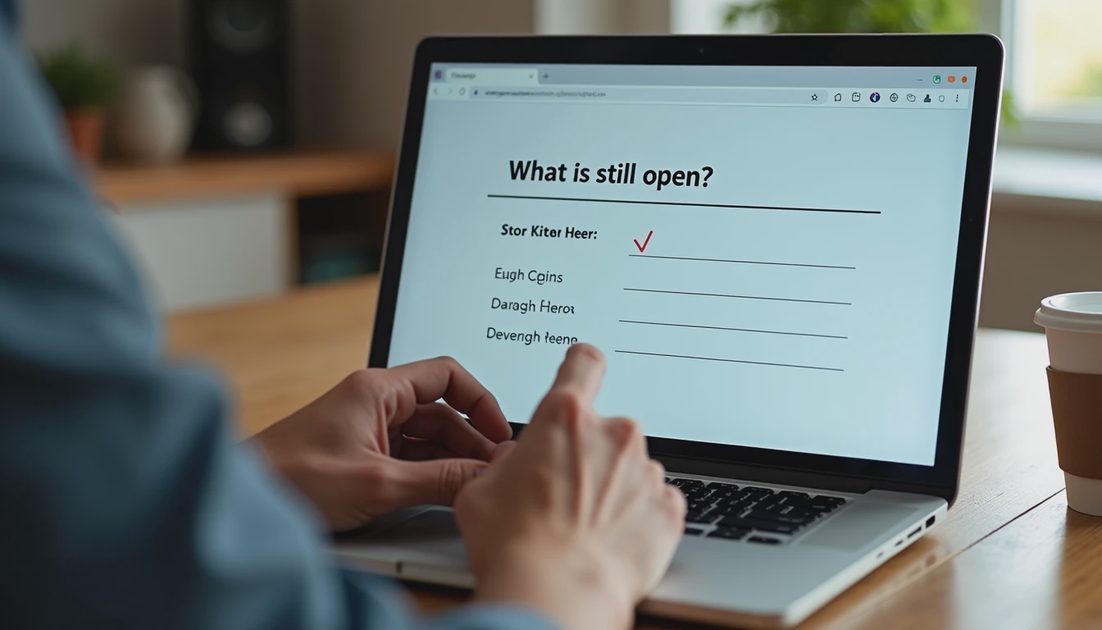
Most “just checking in” messages exist because the handoff was incomplete. The person receiving the work does not know what is done, what is blocked, and what is needed next. A short async handoff template removes most of those follow-up messages and protects focus time across time zones.
I am Dan Whitaker. I work with distributed teams and live in Raleigh with my family. I have watched the same pattern for years: incomplete handoffs create a steady drip of clarifying questions that land at awkward hours. A simple written template fixes more of that drip than another meeting ever will.
Why Handoffs Break
Here is the part that usually causes trouble: the person finishing a block of work assumes the context is obvious. The person picking it up the next morning (or the next time zone) does not share that context. The gap produces “quick” messages that are neither quick nor necessary.
The Core Handoff Template
What was completed in this block
What is still open or blocked
What the next person needs to do first
Where the files or tickets live
When the next update will appear (or when a live conversation is actually required)
Five lines are enough for most daily handoffs. Longer writing is rarely better; clearer structure is.

How Teams Use It
Teams that adopt the template usually paste it into the ticket, the shared doc, or the end-of-day post. The receiving person can start without a conversation. The sending person can close the laptop without a lingering sense that something was left unsaid.
Quick Reference
Situation | Use the Template | Skip the Template |
|---|---|---|
End of day / end of shift | Yes | — |
Handing work across time zones | Yes | — |
Simple status with no action needed | Short version | Full version optional |
Urgent incident | Live conversation first | Template as follow-up record |
Making It Stick
I keep a one-line reminder in the team wiki: “If someone will pick this up later, write the five lines.” After a few weeks the template becomes muscle memory. The volume of “just checking in” messages drops, and the remaining live conversations tend to be the ones that actually need voices in the same moment.
Made simple. A clear handoff is a gift to the next person and a gift to your own focus time. Less hassle. More life.

Why This Beats Another Status Meeting
A live status meeting often exists because the written handoff was never made clear. People join to ask questions that could have been answered in five lines. When the template is used consistently, many of those meetings become unnecessary. The remaining live conversations tend to be the ones that actually need discussion, not just information transfer.
I have seen teams cut recurring check-ins in half after the handoff template became the default. The time returned to the calendar is usually more valuable than the meeting that used to fill it. The template is not anti-meeting. It is pro-clarity.
The practical test is whether the next person can start without sending a clarifying message. If they can, the handoff worked. If they cannot, the template needs one more line of detail. Most of the time the missing piece is either “where the files live” or “what to do first.” Adding those two lines prevents the majority of follow-ups.
Made simple. Write the five lines so the next person (and your future self) can start without a conversation. Less hassle. More life.
I keep a short version of the template in my personal notes and paste it at the end of any work block that someone else will continue. The act of writing the five lines also forces me to notice whether I have left something half-finished. That secondary benefit—clearer thinking at the end of a block—is almost as valuable as the reduction in follow-up messages.
After a few weeks the template becomes automatic. The volume of clarifying messages drops, and the remaining live conversations are more likely to be the ones that actually need voices in the same moment. That is the real return: fewer interruptions and better use of the meetings that remain.
The goal is not perfect documentation. The goal is a handoff that is good enough for the next person to start without a conversation. Five clear lines usually meet that bar.
The five lines also serve as a personal checklist at the end of a work block. Writing them forces a clear assessment of what is actually finished versus what only feels finished. After the template is in regular use, the remaining live meetings tend to be shorter and more focused because the information transfer has already happened in writing. The five-line structure is short enough that people actually use it, and complete enough that the next person can usually start without a follow-up message.
A live status meeting often exists because the written handoff was never made clear. People join to ask questions that could have been answered in five lines. When the template is used consistently, many of those meetings become unnecessary. The remaining live conversations tend to be the ones that actually need discussion, not just information transfer.
I have seen teams cut recurring check-ins in half after the handoff template became the default. The time returned to the calendar is usually more valuable than the meeting that used to fill it. The template is not anti-meeting. It is pro-clarity.
Made simple. Write the five lines so the next person can start without a conversation. Less hassle. More life.